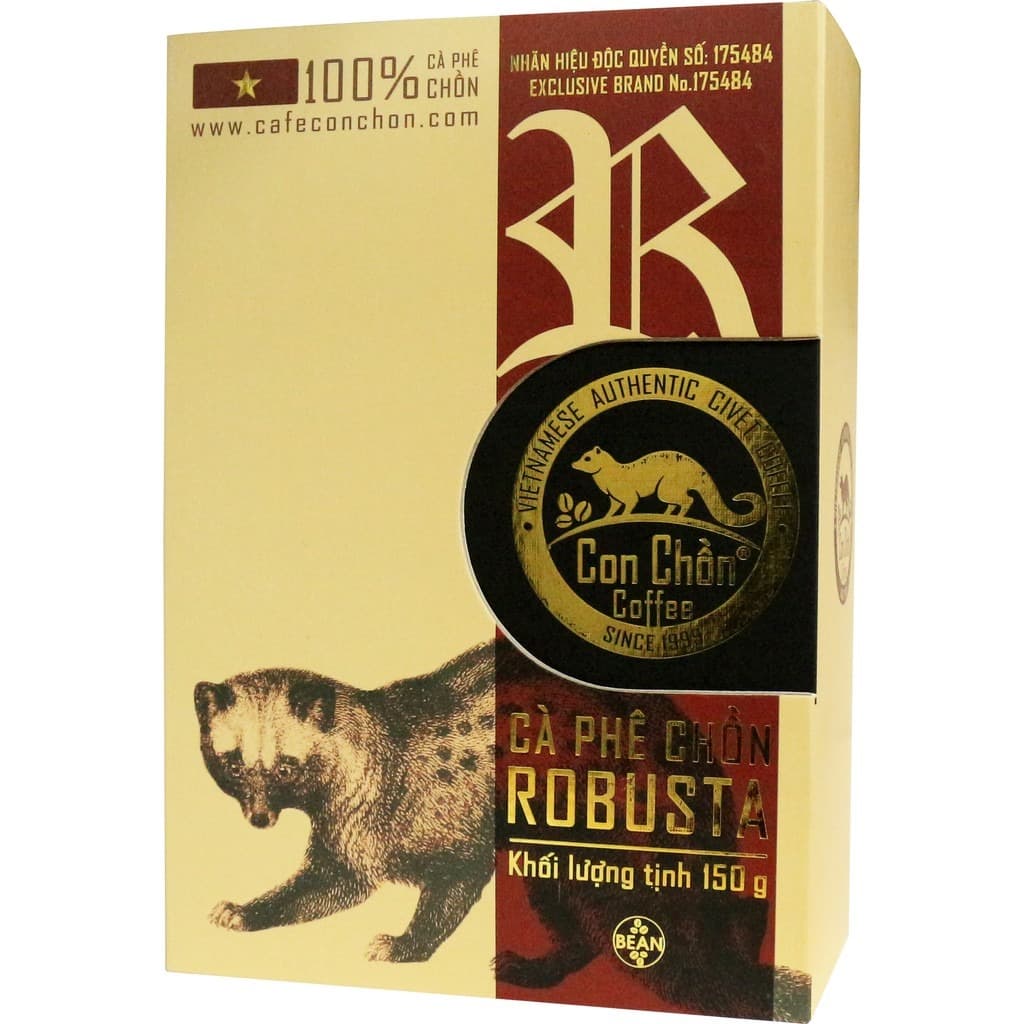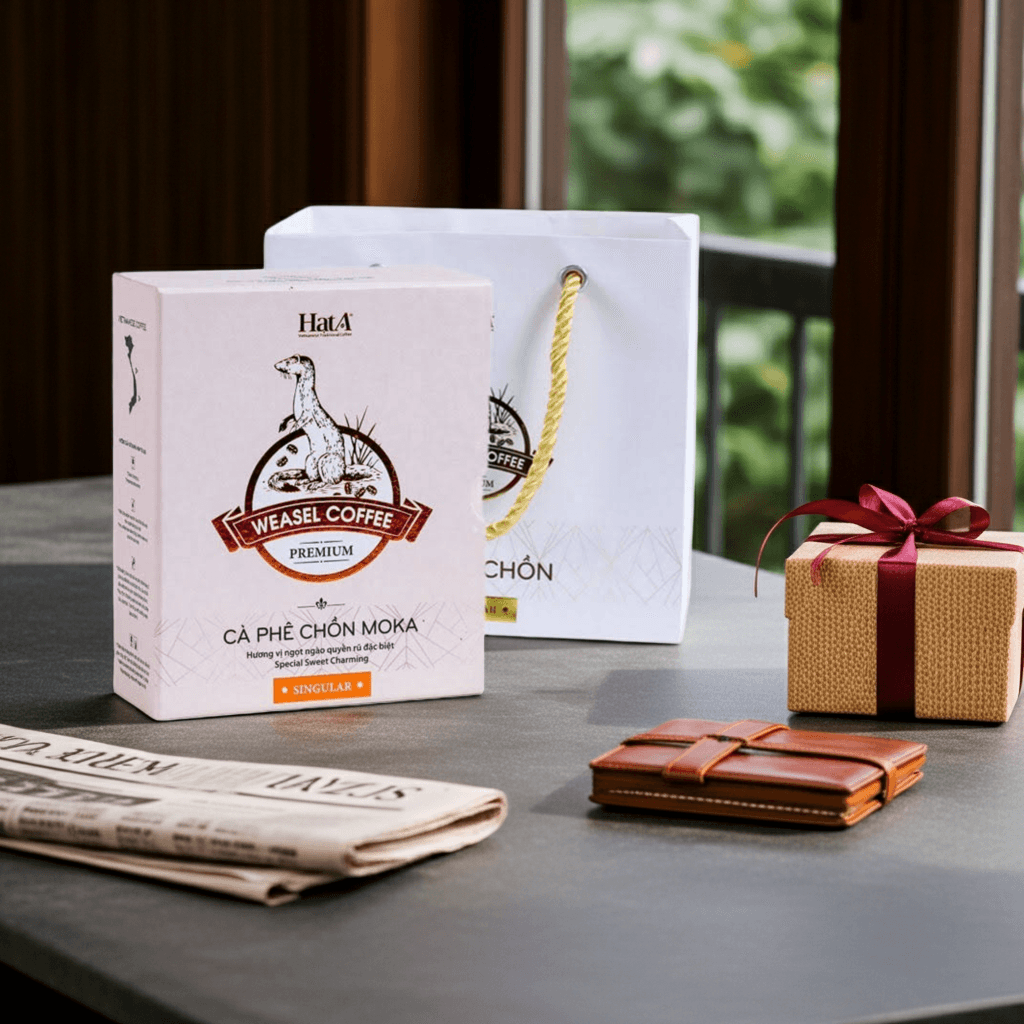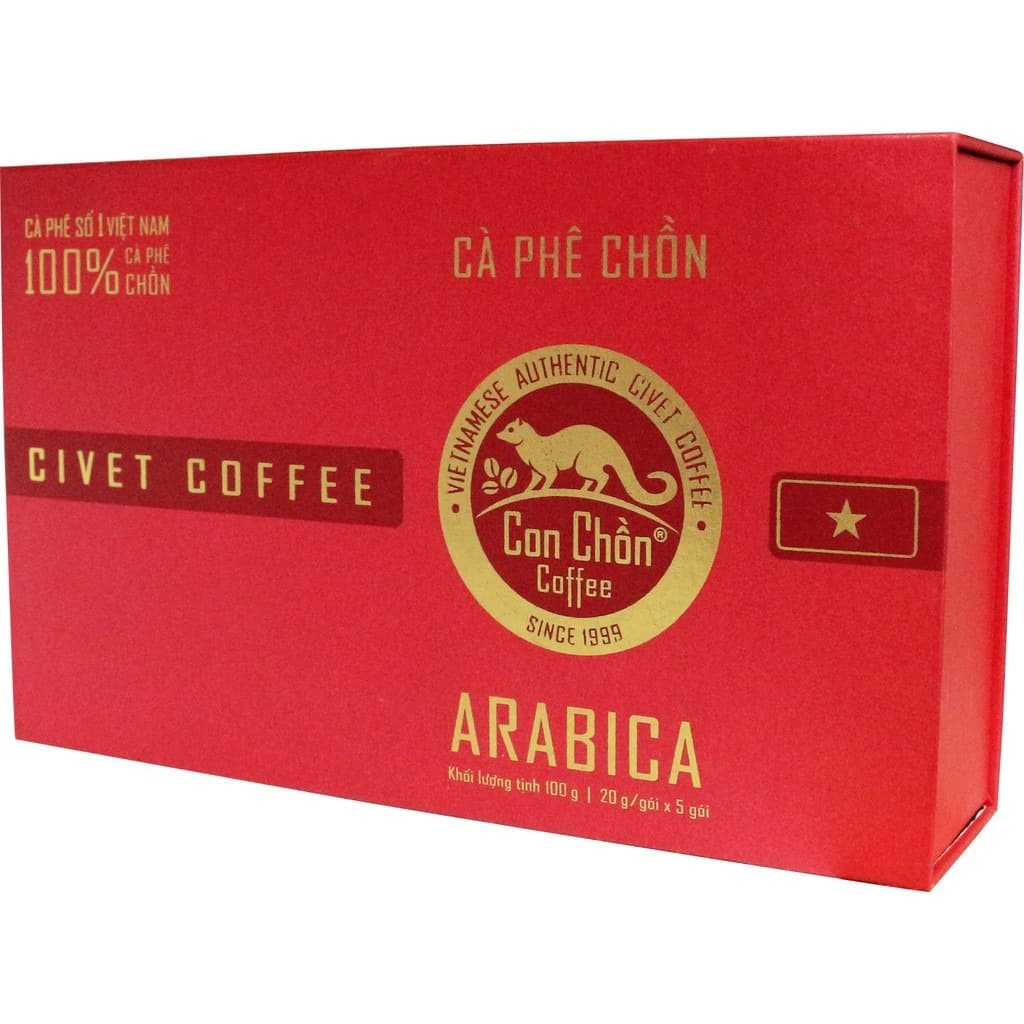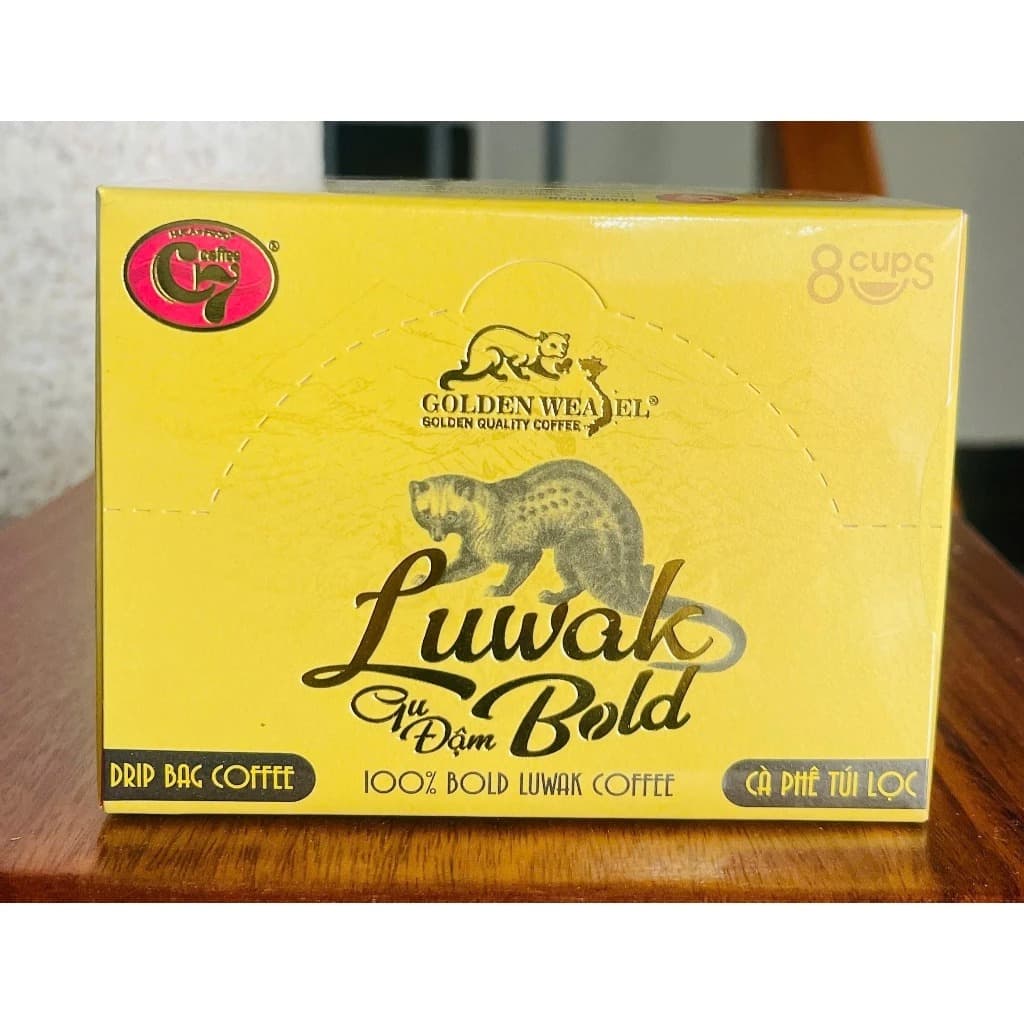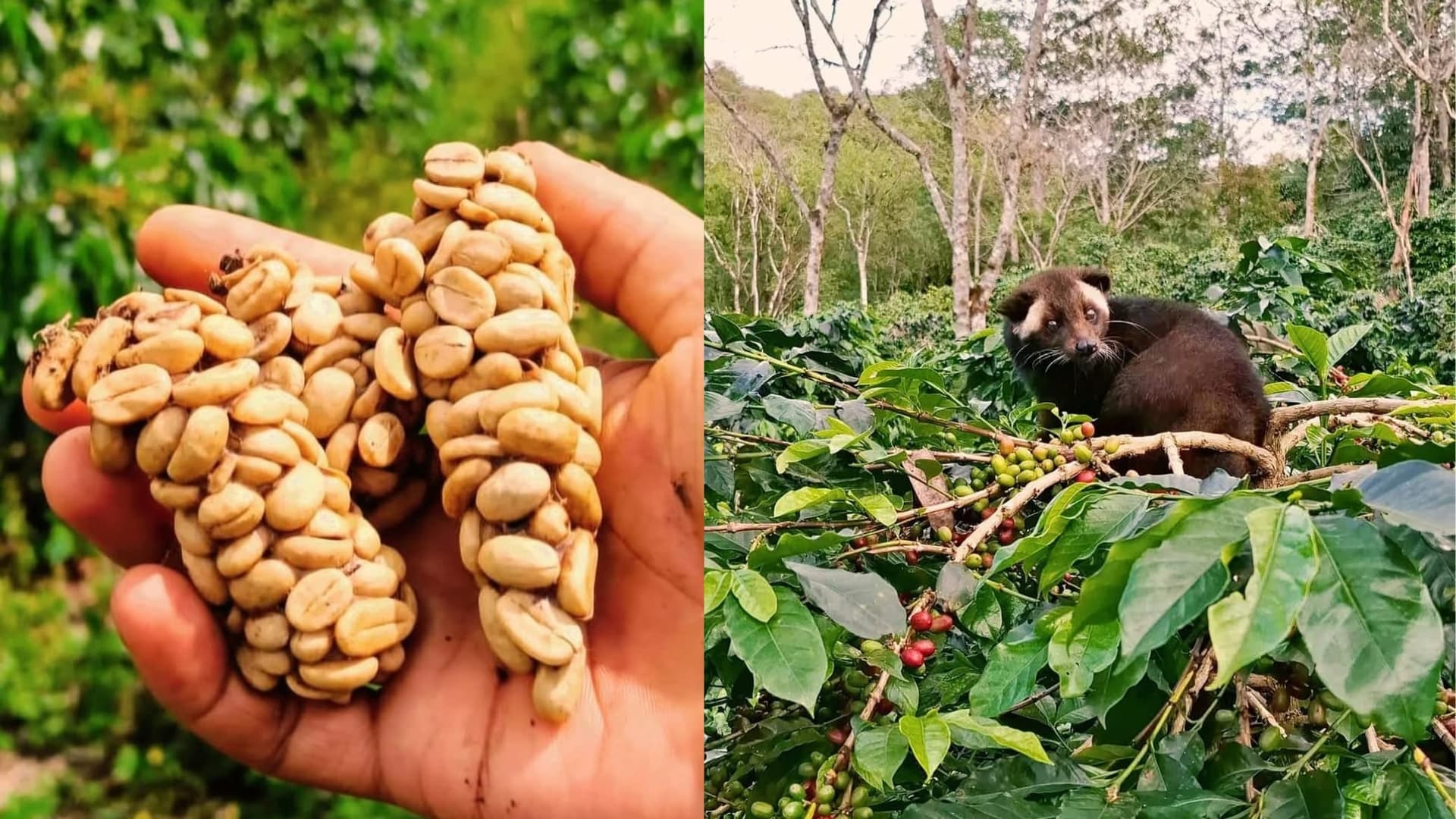
- Cat poop coffee represents a unique intersection of enzymatic fermentation and novel sourcing within the specialty coffee industry.
- The biotransformation processes within the feline digestive tract significantly alter coffee bean chemical profiles, influencing flavor and aroma.
- Ethical sourcing and traceability are critical challenges impacting global production and consumer acceptance.
- Advanced microbial and biochemical analyses are foundational to ensuring quality, safety, and reproducibility in coffee made from cat poop.
- The niche market demand is expanding, yet regulatory frameworks for exotic animal-assisted coffee production lag behind industry growth.
The advent of coffee made from cat poop has introduced an unconventional paradigm in the domain of specialty coffees, wherein the fermentation mediated by a feline digestive system confers distinctive organoleptic properties. This coffee variant leverages biological processes that modify the chemical constitution of coffee beans, resulting in altered flavor profiles that appeal to specific connoisseur segments seeking unique sensory experiences. Scientifically, the process is analogous to other animal-assisted coffee fermentations but involves distinct enzymatic activity attributable to feline gastrointestinal microbiota.
Biochemical Transformation in Feline Digestion
Enzymatic Mechanisms and Impact on Bean Composition
The passage of coffee cherries through the feline digestive tract initiates complex enzymatic interactions primarily involving proteases and cellulases. These enzymes partially degrade the mucilage layer adhering to the coffee bean, facilitating a cleaning effect while inducing subtle modifications in the bean's polysaccharide matrix. Proteolytic action reduces protein content, which consequently impacts the Maillard reaction during roasting, affecting the development of flavor precursors. Furthermore, partial hydrolysis of polysaccharides generates fermentable sugars, altering the subsequent microbial fermentation profile during post-excretion processing.
Microbial Ecology within the Feline Gastrointestinal System
The microbial consortia native to the feline gut differ considerably from those found in other coffee-fermenting animals, exhibiting unique strains of Lactobacillus, Bifidobacterium, and enteric yeasts. These microbes contribute to the bio-modification of the coffee cherry pulp and bean surface, producing organic acids and secondary metabolites that influence acidity and aroma complexity in the final brew. Research employing metagenomic sequencing reveals niche microbial interactions that are pivotal for defining the coffee's sensorial identity.
Processing and Quality Control Protocols
Post-Excretion Bean Recovery and Sanitation
The retrieval of beans post-defecation necessitates stringent hygiene protocols to mitigate potential pathogenic contamination. Initial processing involves manual collection followed by thorough washing with potable water and immersion in antimicrobial solutions compliant with food safety standards. Mechanical de-pulping and drying must preserve structural integrity while preventing mold proliferation. Controlled environmental conditions during drying (temperature and humidity) are essential to stabilize bean chemistry and avoid undesirable fermentative byproducts.
Roasting Profiles and Sensory Analysis
Roasting protocols for cat poop coffee are adapted to accentuate nuanced flavors attributed to enzymatic and microbial pre-conditioning. Typically, medium roast profiles optimize acidity and fruity notes, while minimizing bitterness derived from residual proteinaceous compounds. Sensory panels employ triangulation testing and quantitative descriptive analysis (QDA) to benchmark flavor attributes, including body, acidity, aroma intensity, and aftertaste. The resultant cup is often characterized by enhanced floral tones, moderate sweetness, and a distinctive low astringency.
Market Dynamics and Ethical Considerations
Supply Chain Complexities and Scalability
The global supply chain for coffee made from cat poop is currently constrained by the limited volume of beans processed relative to conventional coffee production. Challenges arise from the labor-intensive extraction process, coupled with the necessity for specialized infrastructure that complies with sanitary and animal welfare regulations. Scalability is further inhibited by the variability in feline diets and digestive efficiency, impacting consistency in flavor profiles. Stakeholders are exploring technological innovations, such as controlled feline feed formulations and automated collection systems, to enhance yield and quality.
Animal Welfare and Sustainability Implications
Ensuring ethical treatment of felines involved in the coffee production process is paramount, necessitating standards that prevent coercion or harm. The industry must navigate public concern regarding animal exploitation while advocating for sustainable practices that minimize ecological footprint. Comparative life-cycle assessments indicate that cat poop coffee production generally incurs higher energy input per unit due to processing intensity. Sustainability efforts focus on optimizing feed sources, eliminating chemical additives, and implementing carbon-offset initiatives to rationalize environmental impact.
Scientific and Regulatory Perspectives
Food Safety and Toxicological Assessments
Comprehensive toxicological studies underpin the safety assurance of coffee made from cat poop. Analytical chemistry techniques such as high-performance liquid chromatography (HPLC) and gas chromatography-mass spectrometry (GC-MS) are employed to detect residues of mycotoxins, bacterial endotoxins, and potential allergens. Microbiological assays validate the absence of pathogenic contamination. Regulatory bodies in various jurisdictions require adherence to stringent guidelines for novel food products, incorporating risk assessments specific to animal-assisted fermentation processes to certify market authorization.
Legal Frameworks and Market Authorization Challenges
The unique nature of coffee made from cat poop positions it within an emerging category of specialty foods that present novel regulatory challenges. Jurisdictional disparities exist regarding classification as novel food or dietary supplement, impacting labeling, marketing claims, and import/export controls. Intellectual property considerations also arise concerning proprietary microbial strains and processing methodologies. Industry stakeholders advocate for harmonized international standards and transparent certification schemes to facilitate global trade and consumer confidence.
Expert Analysis & FAQ
What biochemical changes differentiate coffee made from cat poop from conventional coffee?
The primary biochemical differentiation arises from enzymatic degradation of the mucilage and partial protein hydrolysis during feline digestion. This modifies precursors involved in roasting-induced flavor development, typically resulting in decreased bitterness and enhanced aromatic complexity. Additionally, the unique gut microbiota produce specific organic acids and metabolites that contribute to acidity and floral sensory notes not commonly found in standard coffees.
How is the safety of coffee made from cat poop ensured?
Safety is ensured through multi-tiered protocols including hygienic bean recovery, comprehensive washing with antimicrobial agents, and controlled drying to prevent microbial contamination. Analytical testing for pathogens, toxins, and allergens via advanced chromatographic and microbiological methods confirms compliance with food safety standards. Regulatory approval often requires documented risk assessments specifically addressing the involvement of animal digestion in the production chain.
What ethical concerns are associated with cat poop coffee production?
Ethical concerns primarily relate to the welfare of felines used in coffee processing, with animal rights advocates emphasizing non-exploitative treatment. Sustainable sourcing includes ensuring natural diets and humane living conditions to prevent abuse. Moreover, transparency in supply chains and certification of animal welfare practices are essential to address consumer apprehensions and maintain industry legitimacy.
What factors limit the scalability of coffee made from cat poop?
Scalability is limited by the inherently small volume of beans processed through feline digestion, the labor-intensive collection procedures, and the stringent sanitary requirements. Variability due to differences in feline physiology and diet also challenges consistency in quality. Technological advances in automated bean extraction and controlled feeding regimes are potential avenues to expand production, but widespread scalability remains constrained at present.
-01KEE3GHXK9VD75BM513FCHP6Q.jpeg&w=1920&q=75)