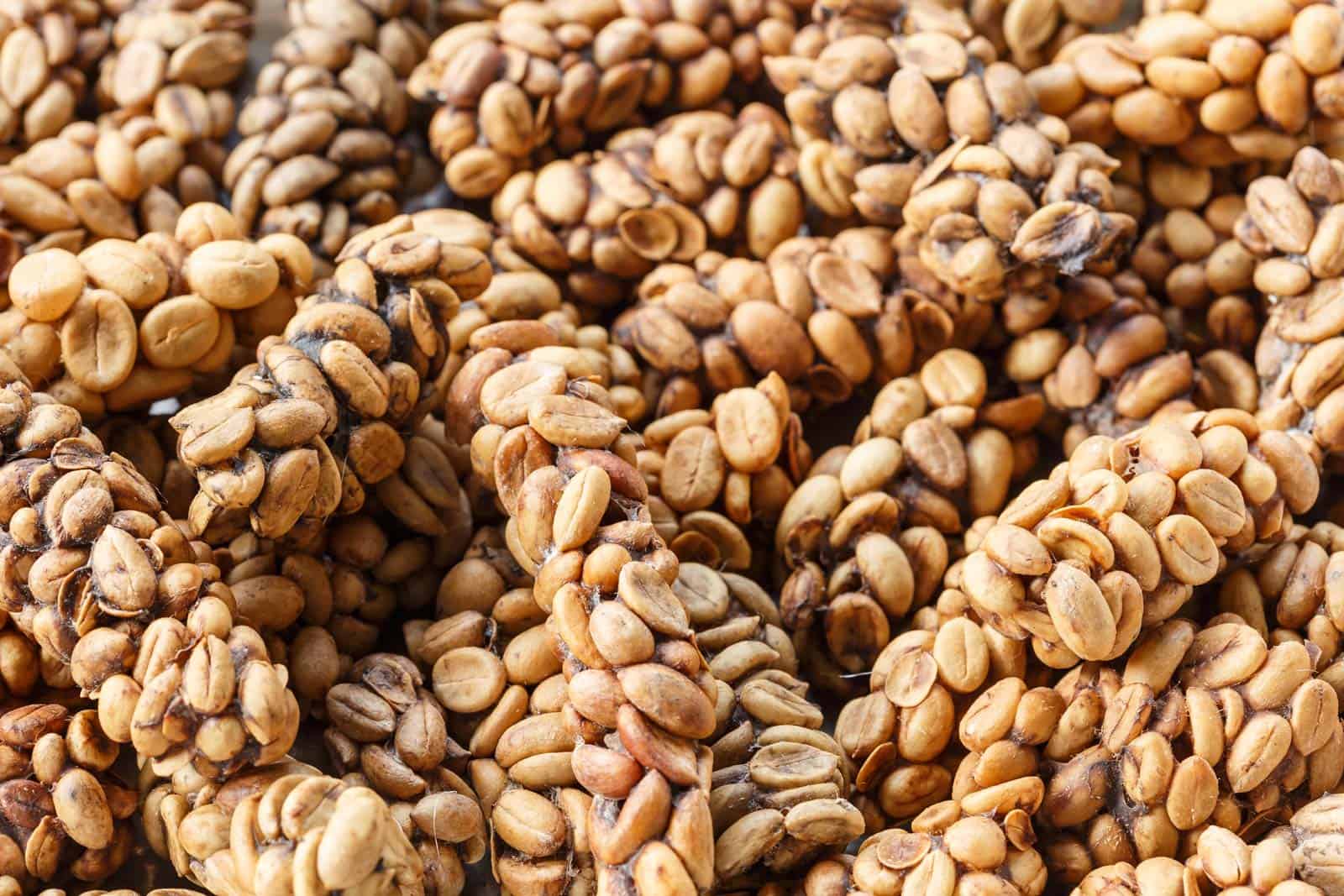
- The production of coffee from animal excrement hinges on a natural fermentation process where digestive enzymes and microbes alter coffee cherry biochemical components, influencing flavor profiles.
- Species-specific digestive tracts create distinct chemical transformations, resulting in diverse organoleptic qualities across animal-based coffee variants.
- Technological and ethical considerations present significant challenges and opportunities for scale, quality assurance, and sustainability in this niche industry.
- Scientific research into the microbial ecology and metabolomics of gut-fermented coffee is expanding, illuminating the biochemical pathways underpinning its unique sensory attributes.
- Environmental impacts and supply chain transparency remain critical focal points in commercializing coffee derived from animal excretion.
The extraction of coffee from animal poop is an unconventional segment within the specialty coffee industry that combines biological processes with artisanal practices to produce an atypical brew. This technique exploits the digestive biology of certain animals, in which raw coffee cherries undergo enzymatic and microbial transformations during gastrointestinal transit. The resulting beans, once excreted, exhibit altered chemical profiles that contribute to distinctive sensory properties unattainable by conventional fermentation or processing methods. While the practice historically emerged from rural interactions with wildlife or livestock, contemporary scientific analysis has sought to characterize and optimize these biologically mediated reactions to meet industry standards and consumer expectations.
Biochemical Mechanisms Underlying Coffee Transformation in Animal Digestion
Digestive Enzymes and Microbial Fermentation
The fundamental mechanism driving the transformation of coffee cherries during passage through an animal's digestive system involves a complex interplay of enzymatic hydrolysis and microbial fermentation. Specialty digestive enzymes such as proteases, amylases, and pectinases degrade structural components of the coffee cherry pulp and mucilage layers. Concurrently, gut-resident microbiota, comprising bacteria and fungi, catalyze fermentation reactions that modify polysaccharides and secondary metabolites.
These biochemical processes result in partial hydrolysis of proteins and carbohydrates, reduction of bitter phenolic compounds, and conversion of chlorogenic acids into simpler derivatives. The microbial action also contributes to flavor precursor formation, including the synthesis of organic acids like lactic and acetic acids, which influence acidity and mouthfeel. This enzymatic and microbial synergy is unique to each animal species due to variations in gut length, pH, and microbiome composition.
Variation in Chemical Profiles Among Different Animals
Species-specific digestive morphologies profoundly impact the chemical alterations observed in animal-digested coffee beans. For instance, the civet (Paradoxurus spp.), known for producing renowned kopi luwak, possesses a monogastric, short gastrointestinal tract allowing a specific fermentation timeframe that balances compound breakdown and retention. Conversely, elephants, with their extensive hindgut fermentation, contribute different metabolomic changes, often producing beans with elevated aromatic complexity but potentially greater microbial load.
These variations can be categorized as follows:
- Transit duration: Shorter transit results in less compound degradation but may preserve certain enzymes.
- Microbiome diversity: Influences fermentation pathways and metabolite profiles.
- Gut pH levels: Affect enzymatic activity rates and microbial species viability.
- Enzymatic secretion patterns: Dictate substrate specificity for coffee cherry components.
The resultant biochemical fingerprinting, defined by metabolomics and volatile compound analysis, differentiates the sensory characteristics such as acidity, bitterness, body, and aroma, which are critical to the evaluation and classification of the final coffee product.
Processing Protocols and Quality Control Measures
Collection and Post-Excretion Handling
Procurement of coffee beans from animal excrement requires stringent hygienic and operational protocols to ensure both quality and safety. Freshly excreted coffee cherries must be collected promptly to minimize contamination and microbial overgrowth. Subsequent washing and depulping remove residual fecal matter and prevent unwanted bacterial proliferation.
Key procedural steps include:
- Immediate collection and sorting of excreted coffee cherries.
- Mechanical or manual washing to remove adhering material.
- Sun drying on raised beds to reduce moisture content safely.
- Storage in controlled environments to inhibit mold and mycotoxin formation.
- Standardized roasting profiles to optimize flavor development while ensuring microbial safety.
The entire supply chain demands traceability, with batch identification and analytical testing being integral to quality certification, especially given the ethical concerns and potential legal scrutiny surrounding animal welfare and product authenticity.
Sustainability and Ethical Considerations
The commercial exploitation of animal-based coffee production raises sustainability and animal welfare issues that require comprehensive evaluation. Overharvesting or inhumane treatment of animals to increase coffee yield presents ethical dilemmas potentially affecting biodiversity and ecosystem balance. Utilizing naturally excreted coffee waste products reduces environmental footprints but scaling may prompt deforestation or habitat disruption if not responsibly managed.
Current industry discussions emphasize:
- Development of sustainable sourcing frameworks compliant with environmental regulations.
- Ethical guidelines ensuring humane treatment and protection of animal populations.
- Integration of ecological impact assessments into production planning.
- Consumer transparency through certification schemes addressing provenance and ethical compliance.
Scientific Advancements and Microbial Ecology Insights
Metagenomic Analysis of Gut Microbiota
Recent advancements in DNA sequencing technologies have enabled comprehensive metagenomic profiling of digestive tract microbiomes involved in coffee fermentation. These studies reveal intricate communities dominated by certain bacterial taxa such as Lactobacillus, Bacteroides, and Clostridium, alongside fungal species including Saccharomyces and Candida. Characterizing these microbial communities provides insight into enzymatic capabilities responsible for the selective breakdown of coffee components.
Understanding gut microbial composition facilitates targeted manipulation of fermentation conditions or probiotic supplementation that could optimize flavor development without compromising safety. Furthermore, metagenomics supports authentication of origin by correlating microbiome signatures with specific animal hosts.
Metabolomic Characterization of Fermented Coffee Beans
Complementing microbial analysis, metabolomic investigations employ techniques such as nuclear magnetic resonance (NMR) spectroscopy and gas chromatography-mass spectrometry (GC-MS) to delineate key chemical changes induced during animal digestion. Studies identify reductions in caffeine and chlorogenic acid content while detecting unique volatile compounds responsible for characteristic aromas. Mapping these metabolomic shifts allows differentiation from traditionally processed coffee and supports quality control measures.
Research efforts also explore the implications of fermentation-induced compounds on human health, probing antioxidant levels and potential bioavailability enhancements. Collectively, these scientific endeavors enhance understanding of the biochemical pathways imparting novelty to coffee from animal poop.
Expert Analysis & FAQ
What are the primary biochemical changes that coffee beans undergo during passage through an animal's digestive system?
During gastrointestinal transit, coffee cherries experience enzymatic hydrolysis by endogenous proteases, amylases, and pectinases that degrade structural carbohydrates and proteins within the mucilage and pulp layers. Concurrently, resident gut microbiota catalyze fermentation pathways that transform polysaccharides and secondary metabolites, resulting in altered phenolic content and formation of organic acids. This dual enzymatic and microbial action modifies flavor precursors, reduces bitterness, and introduces novel aromatic profiles, thereby differentiating animal-digested coffee from conventional variants.
How do differences in animal digestive anatomy affect the sensory qualities of the coffee produced?
Variability in digestive tract morphology—including length, gut pH, and microbial diversity—affects fermentation dynamics and enzymatic exposure times. In animals with shorter gastrointestinal transit times, such as civets, there is a more moderate breakdown of coffee components, preserving certain flavor compounds and balancing acidity. Conversely, species with extensive hindgut fermentation, like elephants, induce prolonged microbial activity that increases complexity but may introduce higher microbial loads. These physiological differences influence the biochemical fingerprint, yielding distinct taste profiles specific to each animal source.
What are the primary challenges in scaling coffee from animal poop production commercially?
Commercial scaling faces challenges including ensuring consistent quality amid biological variability, maintaining rigorous hygiene to prevent contamination, and addressing ethical concerns related to animal welfare. The collection process is labor-intensive and dependent on animal behavior, limiting volume scalability. Furthermore, regulatory frameworks governing food safety and animal protection impose constraints. Technologies for standardizing fermentation conditions and robust traceability systems are critical for market acceptance and consumer confidence.
Can the microbial fermentation process occurring in animal guts be replicated artificially for broader application?
Emerging biotechnological research aims to isolate and culture specific microbial consortia and enzymes identified in animal digestive tracts. Replicating the fermentation conditions ex vivo could allow controlled biochemical modification of coffee cherries without relying on live animals, addressing scalability and ethical issues. However, reproducing the complex gut environment—including pH gradients, transit times, and microbial interactions—poses significant technical hurdles. Continuous advancements in fermentation bioprocessing and microbial ecology are necessary to approximate this natural system effectively.


-01K3MNQFWTSA5G4M5PFD03K4EV.png&w=1920&q=75)
-01K3MRPG09NNHHJB7EQ406RG5P.png&w=1920&q=75)