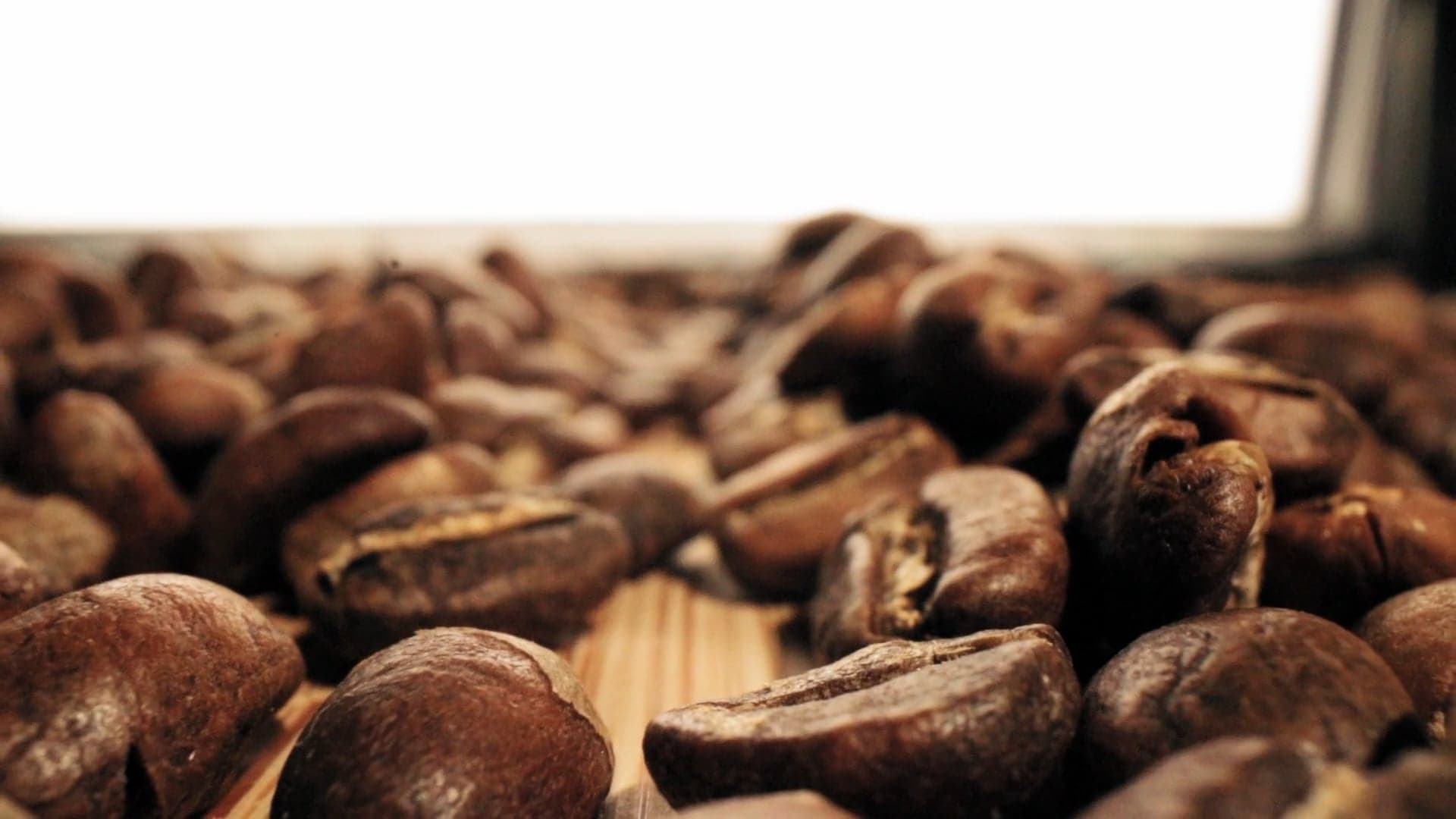
- Waste-derived coffee products, traditionally niche, are gaining global traction, raising questions of sustainability, ethics, and food safety.
- The biochemical transformation of coffee beans via animal digestive enzymes presents unique flavor profiles but also complex processing challenges.
- Regulatory frameworks worldwide lag behind rapid market expansion, complicating standardization and consumer trust.
- Environmental implications of utilizing animal excreta in coffee production are ambivalent, requiring nuanced lifecycle assessments.
- Scientific scrutiny emphasizes the necessity of stringent hygiene protocols and traceability to mitigate health risks inherent in fecal fermentation processes.
The phenomenon of coffee derived from animal feces has transcended its folkloric origins to emerge as a prominent subject within the specialty coffee market. This editorial critically examines the biochemical, industrial, and regulatory complexities inherent in the production of coffee from poop, exploring its contentious place in modern sustainable consumption paradigms. As consumer curiosity escalates, so too do the ethical, safety, and environmental dimensions that underpin this emergent trade segment.
Biochemical and Microbiological Foundations of Waste-Processed Coffee
Enzymatic Modification within the Gastrointestinal Tract
The fundamental biochemical process at the core of coffee-from-poop production involves the passage of coffee cherries or beans through the digestive system of specific animals. Within the gastrointestinal tract, endogenous enzymes such as proteases, amylases, and lipases interact with the coffee beans' biochemical constituents, catalyzing partial hydrolysis of proteins, carbohydrates, and lipids. This enzymatic modification alters the chemical profile of the beans, notably affecting their acidity, bitterness, and aromatic compounds post-roasting. The degree of modification is highly dependent on species-specific digestive physiologies and retention times, with variations observed among civets, elephants, and other animals utilized in this process.
Microbial Dynamics and Fermentation Mechanisms
Simultaneously, the fecal environment hosts complex microbial consortia that influence fermentation processes. Anaerobic and facultatively anaerobic bacteria contribute to secondary metabolism, producing volatile organic compounds critical to the flavor profile. The fermentation dynamics involve multiple biochemical pathways:
- Decomposition of polysaccharides into fermentable sugars
- Production of short-chain fatty acids and esters influencing aroma
- Reduction of phenolic compounds responsible for bitterness
However, the coexistence of pathogenic and spoilage microorganisms poses substantial challenges in maintaining product safety without compromising unique sensory attributes.
Industrial Scale Production: Processes and Challenges
Collection, Processing, and Quality Control
Industrial-scale production begins with the ethical collection of excrement from animals that have ingested coffee cherries. The process requires meticulous segregation and rapid transport to prevent microbial spoilage. Subsequent processing stages include:
- Thorough washing and decontamination to remove soil and fecal matter
- Controlled drying under hygienic conditions to reduce moisture content responsibly
- Meticulous roasting protocols adapted to modified bean chemistry to optimize flavor
Each stage necessitates strict adherence to food safety standards such as Hazard Analysis and Critical Control Points (HACCP) to mitigate contamination. The variability in raw material quality stemming from natural animal behavior contributes to batch inconsistencies, making uniformity a formidable challenge.
Sustainability and Ethical Considerations
While proponents highlight waste utilization as a form of resource efficiency and niche luxury, ethical issues are compounded by animal welfare concerns and labor conditions. Questions regarding the authenticity and voluntary nature of animal involvement provoke critical debates within ethical sourcing frameworks. Environmental assessments indicate a potentially reduced carbon footprint per unit compared to conventional coffee farming, though these advantages are offset by logistical intensities and possible ecological disturbances associated with animal husbandry practices for coffee production. A comprehensive lifecycle assessment is indispensable for nuanced understanding.
Regulatory Landscape and Consumer Perception
Food Safety Regulations and Market Compliance
Globally, regulatory agencies confront difficulties formulating standards for waste-derived coffee due to its unconventional production vectors. Current food safety legislation often lacks specificity to address risks associated with fecal-origin products, necessitating ad hoc evaluations based on microbial load, chemical contaminants, and allergenicity. Some jurisdictions mandate certification and traceability systems to enhance consumer confidence, whereas others impose outright bans or restrictions pending further scientific validation. The absence of international harmonization complicates trade and distribution channels.
Consumer Acceptability and Market Dynamics
Consumer response to coffee from poop is ambivalent, characterized by fascination blended with skepticism. The marketing narratives emphasizing exclusivity and rarity augment demand among affluent niche demographics; however, widespread acceptance competes against ingrained sociocultural taboos and health apprehensions. Psychological studies reveal that transparency in sourcing and rigorous safety certifications can marginally increase uptake, though broad market penetration remains constrained. The industry's challenge is to balance transparency, education, and product provenance while respecting cultural sensitivities.
Expert Analysis & FAQ
What biochemical advantages does gut fermentation confer on coffee beans?
The gastrointestinal processing introduces enzymatic hydrolysis that modifies macromolecules in the coffee beans, reducing bitterness and enhancing sweetness, while microbial fermentation generates novel volatile profiles not achievable through conventional fermentations. These biochemical changes contribute to a distinctive cup profile characterized by reduced astringency and unique aromatic compounds.
How are health risks mitigated in coffee from poop production?
Health risks primarily stem from potential pathogenic contaminants and residual fecal matter. Mitigation strategies involve multiple decontamination steps including high-temperature roasting, rigorous washing, and adherence to industrial hygiene standards (HACCP, GMP). Additionally, microbial assays and chemical testing for toxins are integral quality control measures. Despite these controls, absolute elimination of risk remains challenging, underscoring the importance of regulatory oversight.
What are the environmental trade-offs associated with this coffee production method?
Environmental benefits include valorization of waste and potential reduction in chemical inputs during processing. However, animal husbandry practices may incur land use changes, resource consumption, and methane emissions. The net sustainability impact depends on production scale, animal welfare management, and supply chain efficiencies; lifecycle assessments are critical in providing an evidence-based evaluation.
Will the regulatory environment evolve to better accommodate this niche?
The regulatory landscape is poised for evolution driven by increasing market interest and scientific research. Policymakers will likely develop tailored frameworks encompassing safety standards, traceability, labeling, and animal welfare protections. International harmonization efforts may emerge to facilitate trade and consumer trust. Continued scientific collaboration is essential to inform evidence-based policies.
-01K3MNQFWTSA5G4M5PFD03K4EV.png&w=1920&q=75)
-01K3MRPG09NNHHJB7EQ406RG5P.png&w=1920&q=75)

-01KEE3GHXK9VD75BM513FCHP6Q.jpeg&w=1920&q=75)