- Surging global demand and limited supply have intensified the price volatility of kopi luwak coffee per cup, positioning it as one of the most expensive brews worldwide.
- Scientific scrutiny on kopi luwak's unique production process underscores both the ethical concerns and qualitative nuances influencing price setting.
- Geographical sourcing, processing methods, and market intermediaries critically affect the per-cup pricing structure in luxury coffee segments.
- Recent advancements in sustainable and ethical kopi luwak production present opportunities for market stabilization and premium pricing justification.
The market for kopi luwak coffee—renowned for its distinctive production method involving civet digestion—has experienced significant price increases per cup in recent years. This editorial presents an analytical examination of factors driving these price surges while contextualizing the brew's unique biochemical and supply chain mechanisms. By elucidating the scientific background and market dynamics, we aim to offer stakeholders a comprehensive understanding of why kopi luwak commands such premium valuations.
Kopi Luwak Coffee: Production Process and Its Impact on Pricing
The Biochemical Transformation During Digestion
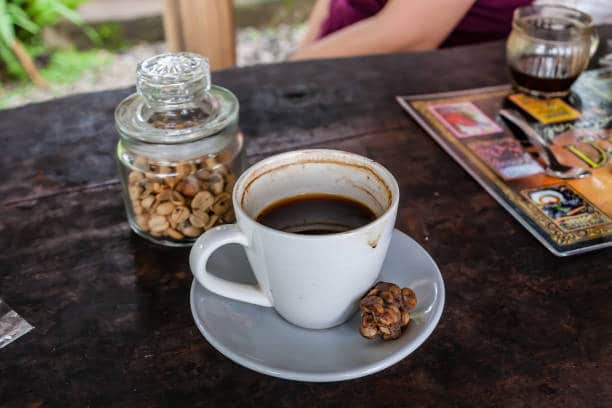
Kopi luwak's uniqueness stems from its proprietary digestion process wherein Asian palm civets consume ripe coffee cherries, subsequently excreting the partially digested beans. This biological transformation modulates the chemical composition of the coffee, reducing bitterness and altering the protein structure through enzymatic reactions. Proteolytic enzymes within the civet's digestive tract catalyze the breakdown of peptide bonds, resulting in a smoother taste profile observed in sensory analysis. Such biochemical alterations require specialized scientific scrutiny to validate the coffee's distinguishable sensory and chemical traits.
Processing and Quality Control Post-Harvest
Post-extraction from excrement, kopi luwak beans undergo extensive washing and sun-drying stages to stabilize quality and eliminate potential contaminants. Processing methodologies vary significantly between smallholder operations and commercial suppliers, affecting the final cup quality and, consequently, market price. High-grade kopi luwak producers implement rigorous microbial testing and controlled drying environments to meet international food safety standards, directly impacting consumer confidence and price acceptance in premium markets.
Market Forces Driving Kopi Luwak Coffee Price Per Cup
Supply Constraints and Ethical Considerations
The limited supply of genuine kopi luwak coffee is a primary determinant of its elevated price per cup. Wild civet populations, responsible for natural cherry selection and digestion, are not abundant, and sustainable harvesting is labor-intensive. Furthermore, rising ethical concerns regarding civet welfare and captive farming practices have initiated stricter regulatory measures and consumer demand for ethically sourced kopi luwak. This ethical premium contributes to price inflation as producers incur additional costs for certification and improved husbandry practices.
Demand Dynamics in Luxury Coffee Markets
Increasing affluence in emerging markets, coupled with the global fascination for exclusive gastronomic experiences, has intensified demand for kopi luwak coffee, stimulating price appreciation. Affluent consumers are willing to pay a significant premium for the perceived exclusivity and unique sensory profile of kopi luwak. Luxury hospitality sectors and specialty cafes are notable drivers, leveraging kopi luwak as a status symbol. This demand-side pressure, juxtaposed with supply inelasticity, has created a pronounced price surge per cup in international coffee markets.
Geographical and Logistical Components Affecting Pricing Structures
Sourcing Regions and Their Influence on Cost
Kopi luwak is predominantly sourced from Southeast Asia, specifically the Indonesian archipelago, the Philippines, and parts of Vietnam. Variability in regional ecological conditions influences civet diets and, by extension, subtle taste differences, which connoisseurs sometimes leverage as a quality determinant. Logistics from remote harvesting locations to international premium markets incorporate multiple layers of cost—transport, customs, quality inspections—that aggregate, thereby inflating the final price per cup served globally.
Supply Chain Complexity and Intermediaries
Price escalations are additionally driven by a complex supply chain involving collectors, processors, exporters, and niche distributors. Each intermediary integrates a margin to compensate for risk and value addition. Furthermore, authentication challenges due to counterfeit kopi luwak beans—adulterated or fake products—necessitate expensive certification methods, including chemical fingerprinting and DNA barcoding. These practices add layers of logistical cost burdens, which manifest in elevated retail prices for end consumers.
Scientific and Ethical Advances Impacting Market Stability
Sustainable Farming Initiatives
Recognizing the environmental and animal welfare concerns, a movement towards sustainable kopi luwak farming paradigms has emerged. These models advocate for civet welfare improvements, ecological balance, and transparent traceability using blockchain technologies. While these practices increase production costs, they also enhance product credibility and justify premium pricing. Such innovation-driven sustainability is pivotal in stabilizing the kopi luwak price per cup within an ethically informed market segment.
Analytical Methods for Quality Verification
Advances in analytical chemistry facilitate robust characterization of kopi luwak, discriminating it from fraudulently marketed variants. Techniques such as gas chromatography–mass spectrometry (GC-MS) analyze volatile compounds, while protein profiling confirms enzymatic artifact signatures. DNA assays verify bean origin. These scientific protocols enable certification bodies to uphold quality standards rigorously. The costs incurred reflect in the luxury positioning of kopi luwak coffee, reinforcing high per-cup price points as a function of authenticity assurance.
Expert Analysis & FAQ
What scientific evidence supports the claim that kopi luwak's digestive process enhances coffee quality?
Empirical studies employing proteomic and metabolomic analyses demonstrate that proteolytic enzymes in civet digestive systems modify coffee bean proteins and phenolic compounds, reducing bitterness and acidity. Sensory panels consistently report smoother texture and unique flavor notes post-digestion. However, peer-reviewed research also highlights variability based on civet diet and bean origin, emphasizing that biochemical modification is necessary but not solely sufficient for superior quality.
How do ethical concerns influence the global pricing dynamics of kopi luwak coffee per cup?
Ethical concerns, stemming from animal welfare issues linked to civet captivity and forced feeding, have led to increased scrutiny and market segmentation. Premium pricing now incorporates costs of certification and welfare-compliant farming. Consumers' willingness to pay higher prices aligns with greater transparency and sustainability. Consequently, kopi luwak producers adhering to these principles command higher market premiums, directly impacting the per-cup cost in global luxury coffee markets.
What logistical challenges contribute most significantly to kopi luwak price inflation?
Key challenges include transportation from remote, ecological harvesting zones, ensuring hygiene and quality assurance along the supply chain, and combating counterfeit products. These elements impose substantial operational costs. Additionally, import regulations and inspection protocols add administrative overhead. Each of these factors contributes cumulatively, intensifying the premium pricing structure observed in retail kopi luwak coffee offerings.
Could innovations in synthetic or bioengineered kopi luwak alter future market prices?
Emerging biotechnological approaches aim to replicate the enzymatic processes of civet digestion via fermentation and enzymatic treatment of coffee cherries. Should these methods scale economically while maintaining organoleptic quality, they have the potential to democratize kopi luwak flavor profiles and reduce dependency on animal digestion. This could moderate price surges by expanding supply options but may also create new market tiers distinguishing genuine from bioengineered kopi luwak.
-01K3MNQFWTSA5G4M5PFD03K4EV.png&w=1920&q=75)