- The most expensive coffees are defined by unique production methods, rarity, and complex sourcing rather than mere branding.
- Animal-processed and limited harvest coffees command premium prices due to scarcity and labor intensity.
- Environmental factors and terroir critically influence bean quality, directly affecting market valuation.
- Advanced fermentation and post-harvest processing play pivotal roles in differentiating luxury coffee profiles.
- Market dynamics emphasize sustainability and traceability, increasingly impacting premium coffee pricing.
The global coffee industry spans a diverse range of products, with luxury coffees representing a small yet highly lucrative segment defined by exclusivity and production complexity. Understanding what qualifies a particular coffee as the most expensive necessitates a granular analysis of factors such as cultivation environment, processing techniques, rarity, and sensory attributes. This editorial evaluates these parameters through a technical lens, focusing on the coffees renowned for commanding extraordinary market values and the scientific underpinnings that justify their premium status.
Defining Luxury in Coffee: Parameters and Industry Context
Criteria Determining Coffee Valuation
Price differentiation in coffee is influenced by several intertwined factors: origin specificity, cultivation difficulty, post-harvest processing methods, and supply constraints. Origin-specific coffees often emerge from microclimates imparting unique terroir characteristics, which are further enhanced or diminished by local agricultural practices. The valuation increases exponentially when a coffee's production incorporates labor-intensive or rare methodologies such as selective hand-picking, extended aging, or biological processing involving animals that alter bean chemistry.
Furthermore, traceability and certification schemes related to organic, fair trade, and sustainability protocols add layers of complexity to market pricing. These certifications offer guarantees on ethical sourcing but do not necessarily correlate with the highest market price in luxury segments. Instead, exclusivity driven by production scale and flavor uniqueness exerts a more substantial influence.
Global Market Dynamics Impacting Luxury Coffee Pricing
Market demand for exclusive coffee varieties is governed by affluent consumer segments and specialty retailers emphasizing craft and provenance. Volatility in coffee futures markets, climate change impact on yields, and geopolitical factors affecting trade routes also indirectly influence the premium coffee market. A shrinking supply coupled with growing demand for rare varieties often leads to price surges, making certain beans among the most expensive commodities by weight.
Trade intermediaries, auction houses, and specialty associations play critical roles in maintaining transparency and facilitating the transfer of knowledge regarding quality assessment, grading, and valuation standards, which are necessary for consistent premium pricing.
Scientific and Production Aspects of the World's Priciest Coffees
Animal-Processed Coffees: Chemical and Sensory Implications
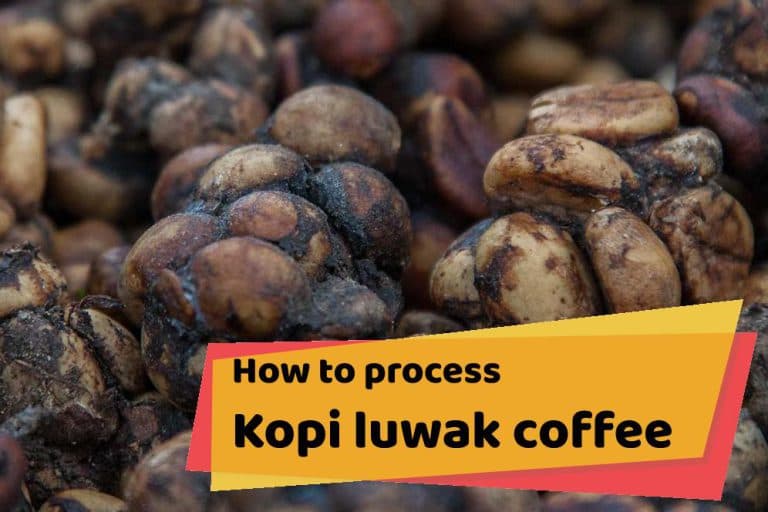
Among the most expensive coffees globally are those involving a digestive process through animals, such as civet cats or elephants. The enzymatic action during digestion catalyzes protein degradation within the coffee beans, reducing bitterness and altering the amino acid profile. This biochemical modification results in a smoother cup with distinctive aromatic attributes. While controversial from sustainability and ethical perspectives, these coffees remain highly coveted for their unique organoleptic properties.
Scientific investigations into such coffees focus on the proteolytic enzymes' influence, microbial dynamics during fermentation, and the consequent flavor precursor formation. The limited scale of production, resulting from the necessity of live animals for processing, inherently restricts supply, contributing to elevated prices.
Geographic Rarity and Terroir Influences on Quality and Price
Excessive altitude, soil composition, temperature fluctuations, and precipitation levels collectively define the terroir, impacting bean physiology and biochemical composition. For example, coffees grown on volcanic soils at elevations exceeding 1500 meters often exhibit increased acidity and complex flavor profiles due to slower maturation and nutrient-rich substrates.
Specific rare varietals, such as wild Arabica strains endemic to isolated regions, can attain high market values due to their genetic uniqueness and challenging cultivation conditions. Micro-lot programs that segregate beans by farm or varietal emphasize these terroir dynamics, facilitating premium pricing aligned with sensory evaluations.
Post-Harvest Innovations and Their Role in Luxury Coffee Valuation
Advanced Fermentation Techniques
Controlled fermentation, employing specific microbial consortia or exogenous enzyme additions, can modulate flavor precursor profiles and decrease undesirable compounds. Anaerobic fermentation methods, for example, enhance fruity and floral notes by influencing ester and alcohol concentrations, which are measurable through gas chromatography–mass spectrometry (GC-MS) analyses.
These processing innovations require sophisticated infrastructure and expertise, placing them within the realm of specialized producers capable of offering unique sensory experiences, thus justifying premium pricing. Laboratory quantification of volatile organic compounds (VOCs) confirms the correlation between fermentation parameters and per-cup flavor complexity.
Drying and Aging Approaches
Post-fermentation drying techniques, including solar, mechanical, and shaded drying, affect moisture content and bean stability during storage. Aging dry-processed coffees under controlled humidity and temperature conditions can induce chemical changes, such as Maillard reactions and lipid oxidation, that develop nuanced flavor notes preferred in luxury markets.
These processes involve extensive monitoring and quality control to prevent defects, with the resultant product commanding significant value for its rarity and the craftsmanship embedded in prolonged development cycles.
Market Case Studies: Price Drivers and Scientific Validation
Case Study: Kopi Luwak
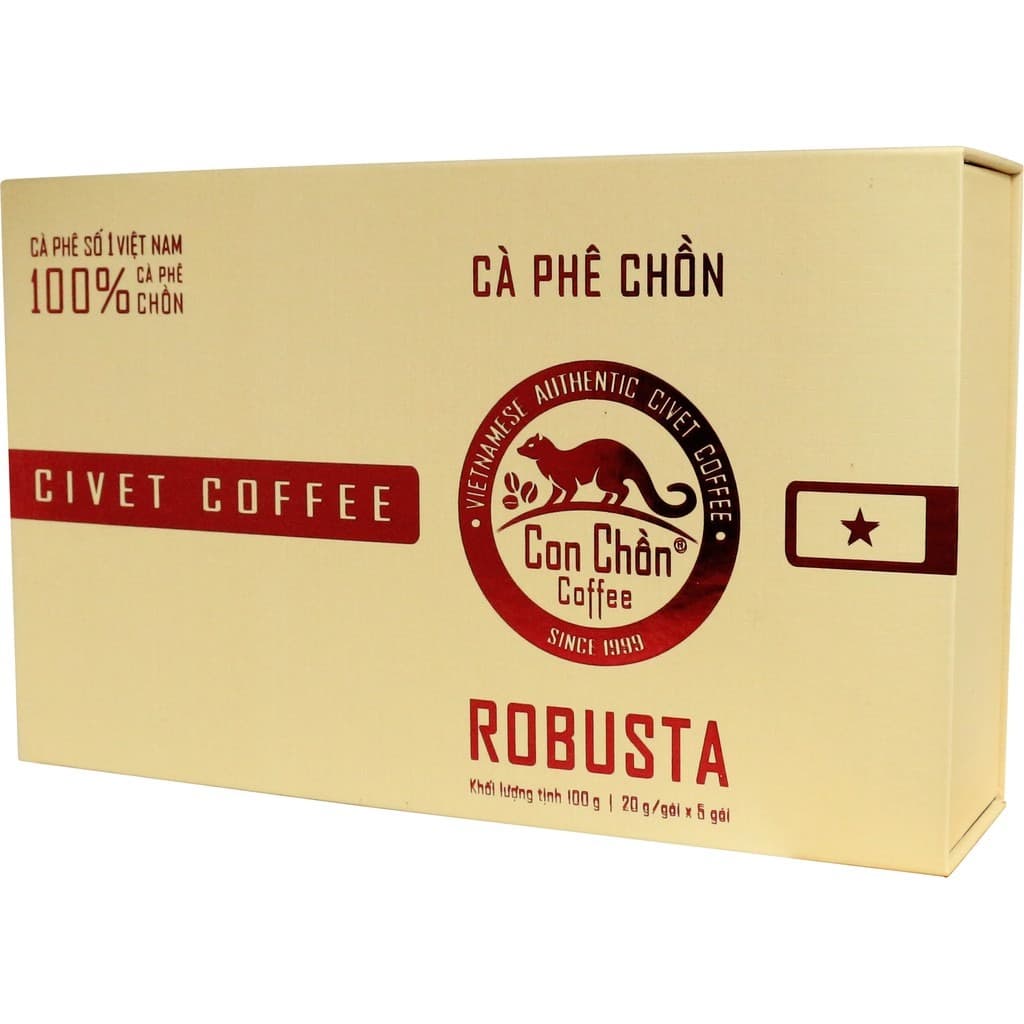
Kopi Luwak exemplifies animal-processed coffee, derived from beans excreted by civet cats. Scientific studies validate that the digestive enzymes selectively alter protein and polyphenol content, which reduces bitterness and modifies the phenolic profile. Given its extremely limited supply, high labor input in collection, and international demand, it consistently ranks among the most expensive coffees, fetching prices exceeding several hundred dollars per kilogram.
Contemporary research continues to evaluate ethical sourcing and potential substitutes incorporating enzymatic treatment to replicate flavor profiles without animal involvement.
Case Study: Black Ivory Coffee
Processed through elephants, this coffee represents an even scarcer variant within animal-processed luxury coffees. Biochemical analyses reveal that prolonged fermentation times within elephant digestive tracts induce substantial proteolysis and lipid metabolism alterations. The resulting cup demonstrates muted acidity and profound chocolaty undertones, highly prized in gourmet circles.
The prohibitive cost stems from limited operational scale, complex logistics, and animal care, resulting in retail prices reaching upward of a thousand dollars per kilogram.
Expert Analysis & FAQ
What specific biochemical mechanisms differentiate animal-processed coffees from conventional ones?
Animal digestion introduces proteolytic enzymes such as pepsin and trypsin, which hydrolyze storage proteins into smaller peptides and free amino acids. This enzymatic activity reduces the levels of chlorogenic acids responsible for bitterness and astringency, thereby enhancing perceived sweetness and smoothness in the cup. Additionally, microbial fermentation within the gastrointestinal tract contributes to the development of unique volatile compounds, substantially altering the coffee's aroma and flavor profile.
How does terroir scientifically impact the chemical composition of coffee beans?
Terroir influences biochemical pathways during bean development through factors such as temperature gradients, UV exposure, soil mineral content, and moisture availability. These variables regulate gene expression related to metabolite biosynthesis, including chlorogenic acids, lipids, sugars, and alkaloids. For instance, higher altitudes with cooler temperatures slow maturation, promoting accumulation of sugars and acids, which enhance flavor complexity. Mineral-rich volcanic soils contribute trace elements that facilitate enzymatic activity within the bean tissues, further modifying chemical composition.
Are there sustainable alternatives to animal-processed luxury coffees that replicate their flavor?
Research into enzymatic treatment and controlled fermentation using selected microbes aims to mimic the proteolytic and flavor-modulating effects observed in animal digestion. Laboratory-scale trials with purified enzymes such as proteases, lipases, and microbial consortia have produced coffee profiles qualitatively similar in sensory analysis to civet-processed variants. These approaches have the potential to scale sustainably, eliminating ethical concerns while maintaining premium flavor attributes, although currently such products are rarer and generally priced lower due to consumer perception.
What role do advanced analytical techniques play in establishing the premium status of expensive coffees?
Techniques such as GC-MS, high-performance liquid chromatography (HPLC), nuclear magnetic resonance (NMR) spectroscopy, and sensory evaluation protocols underpin the scientific validation of flavor profiles and chemical uniqueness. These methods quantify volatile organic compounds, antioxidants, acids, sugars, and alkaloids, facilitating objective quality assessment. By correlating chemical fingerprints with consumer preference and market pricing, producers and distributors establish empirical justification for premium valuation, enabling transparency and consistency in the luxury coffee sector.
-01K3MNQFWTSA5G4M5PFD03K4EV.png&w=1920&q=75)
-01K3MRPG09NNHHJB7EQ406RG5P.png&w=1920&q=75)
-01K3MPM9FNT9SKY2ZX0EPAPGNB.png&w=1920&q=75)
-01K3MY2MS8AC3TYHB0JB7NGP6G.png&w=1920&q=75)
-01K3MTAQRF5REW2NWWCM95MQYD.png&w=1920&q=75)